Sentiance is a platform that leverages contextual data and AI to create personalized behavioral insights, enabling businesses to enhance customer engagement and experiences.
Company
Sentiance is a behavioral data intelligence company that utilizes AI and ML algorithms to analyze sensor data from mobile devices, wearables, and IoT devices. By understanding and predicting human behavior based on this data, Sentiance provides valuable insights to personalize user experiences, improve customer engagement, and enhance decision-making processes. Their solutions span various industries, including mobility, insurance, healthcare, and smart cities, enabling businesses to optimize transportation, enhance driver safety, and leverage data-driven insights for better outcomes.

Introduction
Sentiance SDK
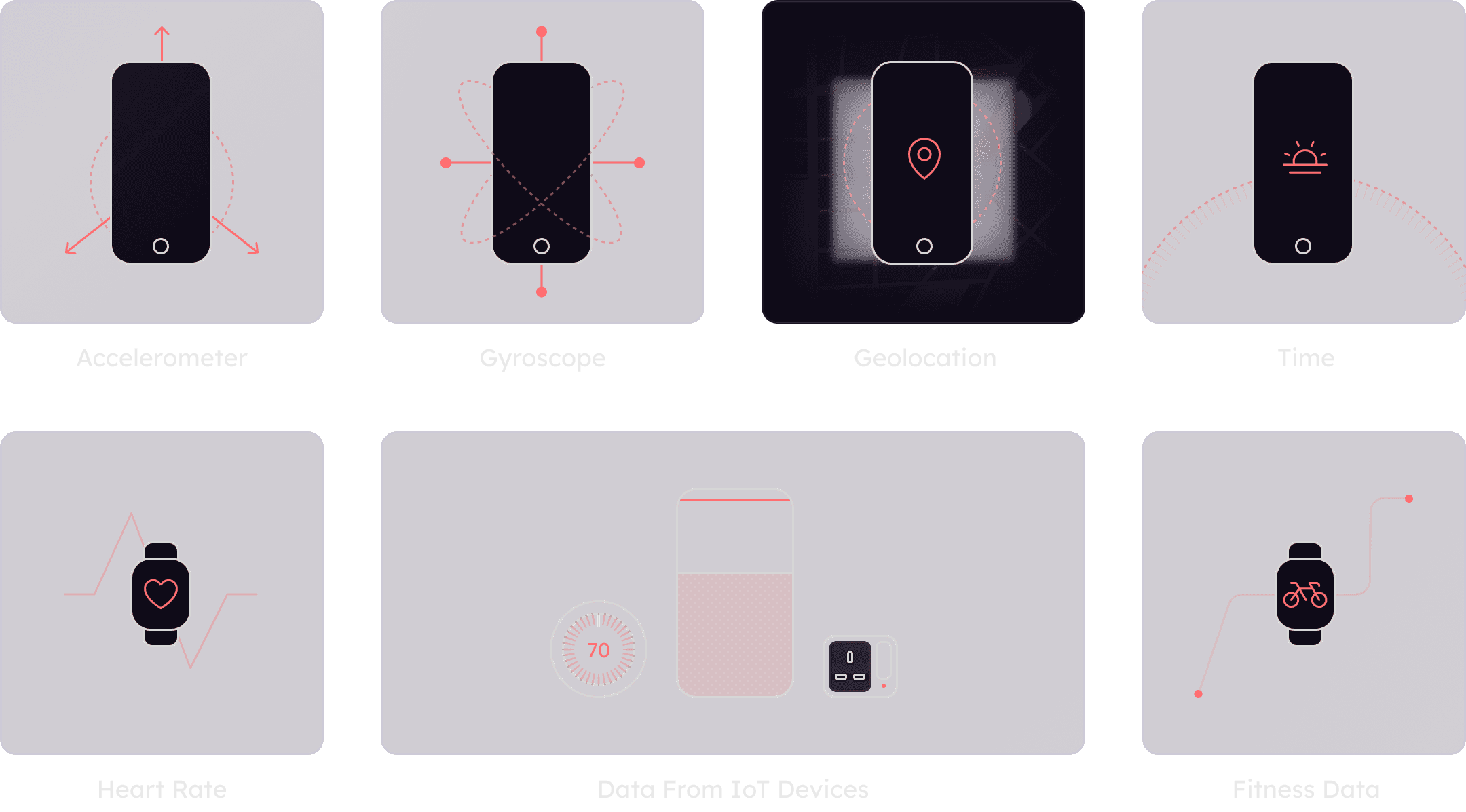
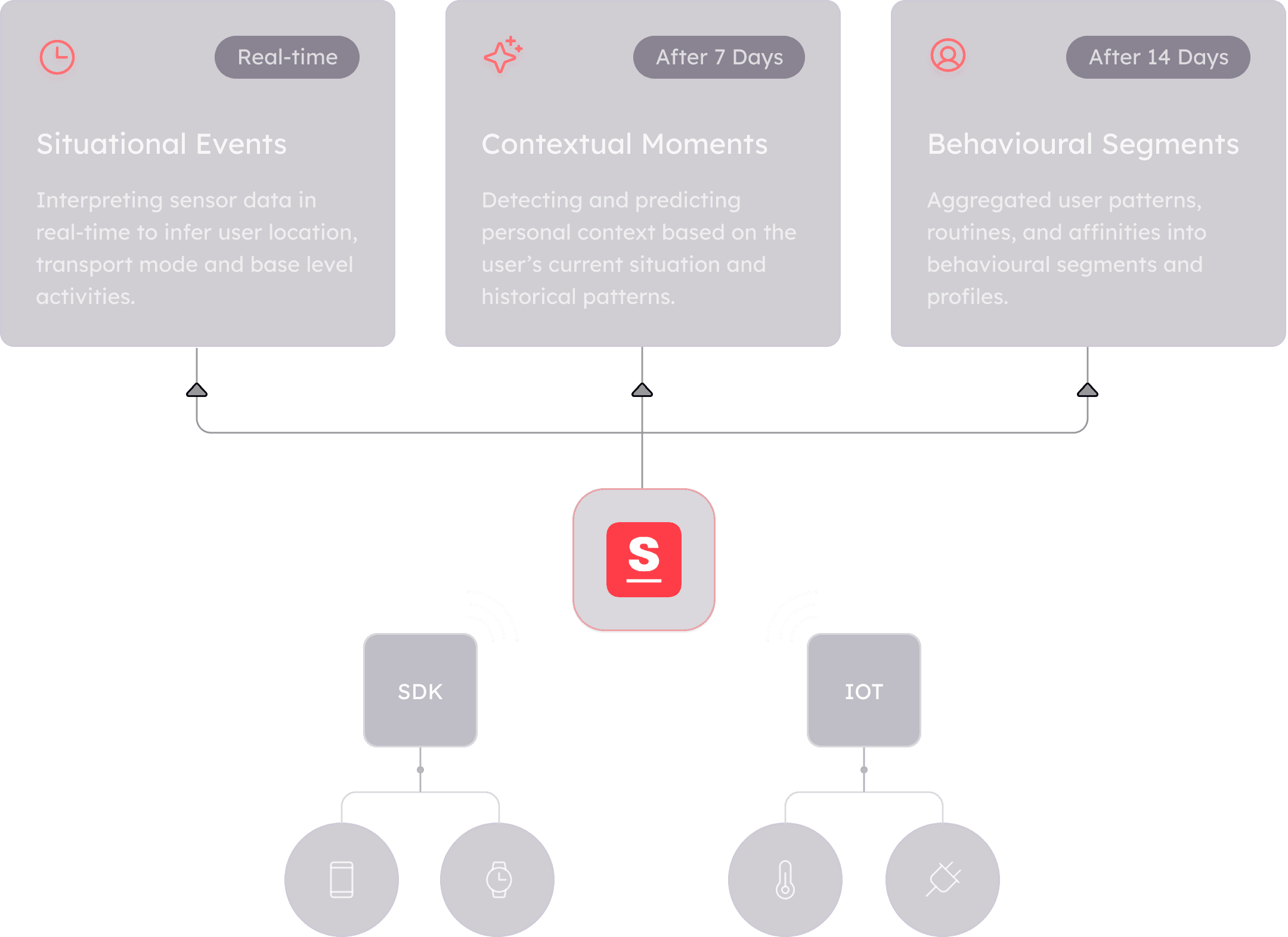
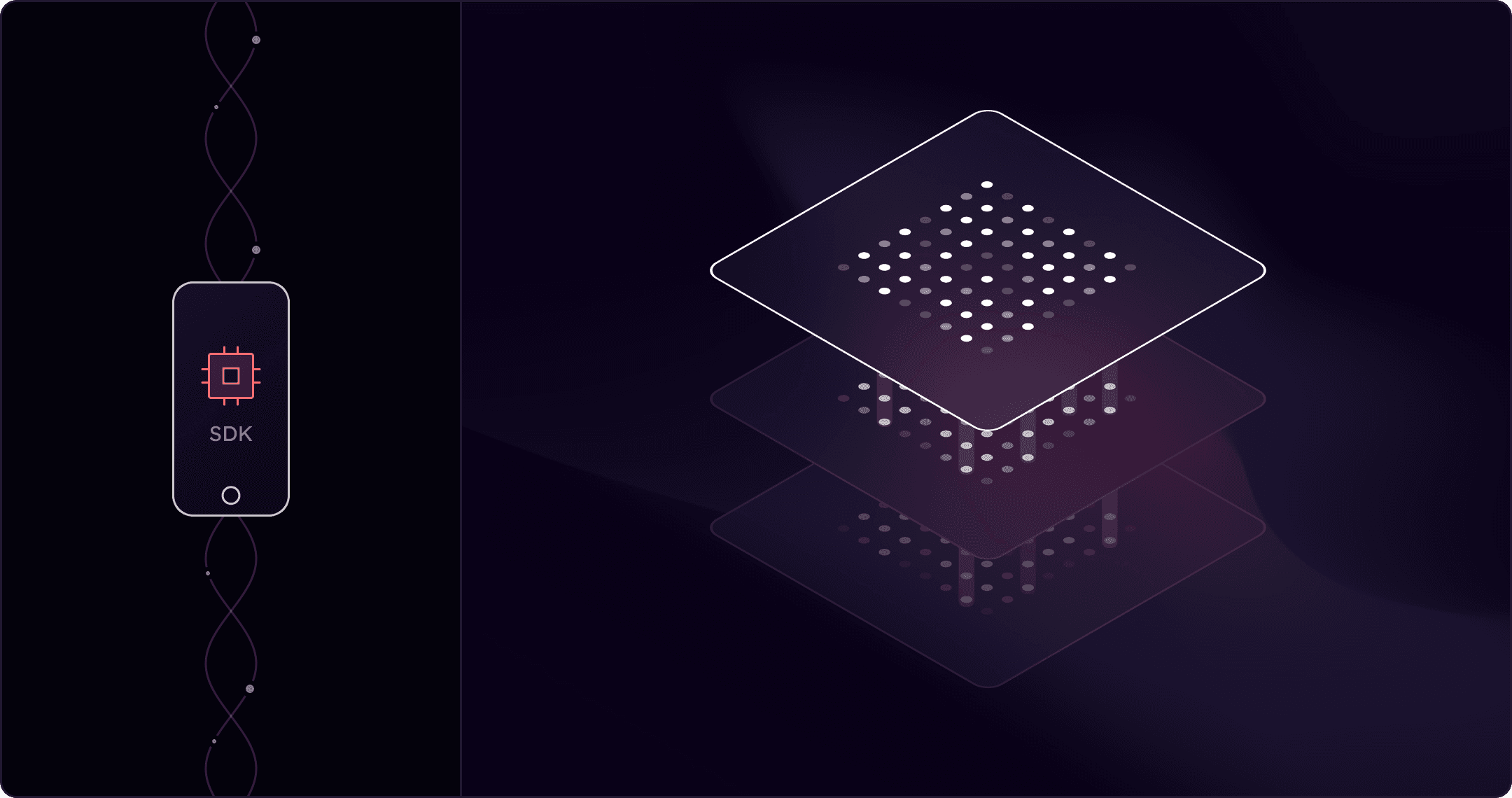
The Sentiance SDK (Software Development Kit) allows developers to integrate the company's behavioral intelligence capabilities into their mobile applications. By incorporating the SDK into their apps, developers can access and collect sensor data from users' devices, such as accelerometer, gyroscope, GPS, and other contextual information. The SDK then applies AI and ML algorithms to analyze and interpret this data, extracting meaningful insights about user behavior, preferences, and habits. These insights can be utilized to personalize user experiences, improve engagement, and make data-driven decisions within the app, ultimately enhancing its functionality and value to users.
Consumer Insights
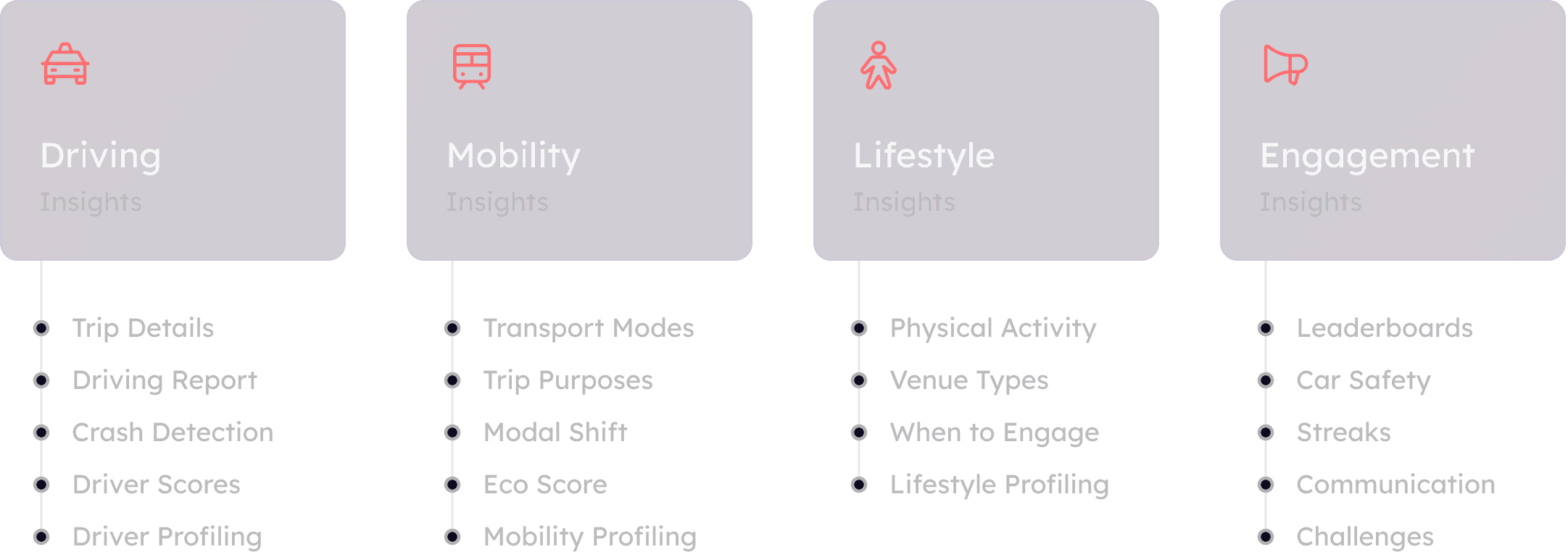
By leveraging sensor data and contextual information, businesses gain access to a broad spectrum of consumer insights. These encompass behavior patterns, interests, preferences, mobility behavior, contextual factors, health and well-being, and risk and safety. Through data analysis, companies can personalize experiences, optimize operations, and enhance customer engagement, leading to data-driven decisions that improve products and services.
Use Cases
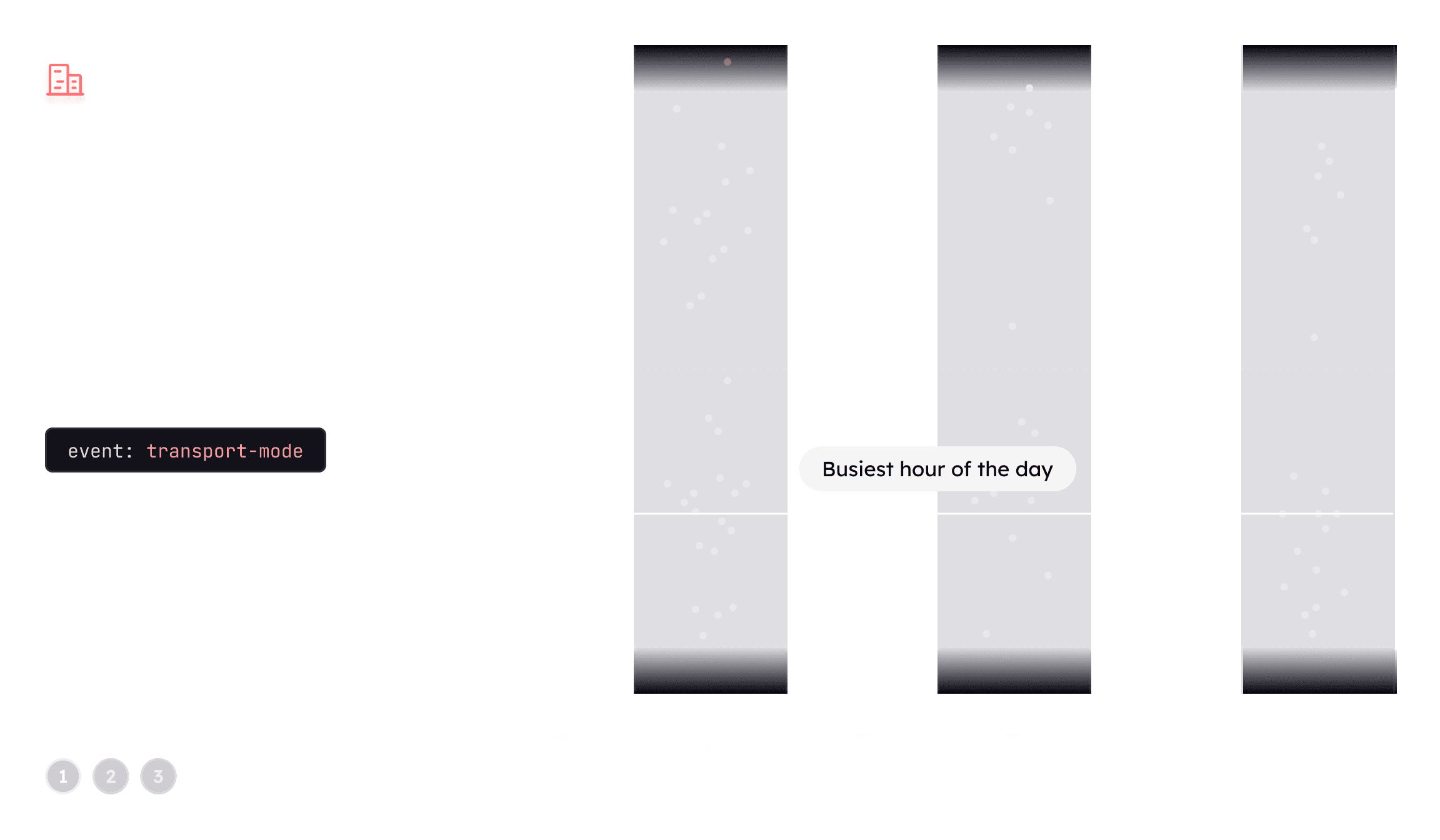
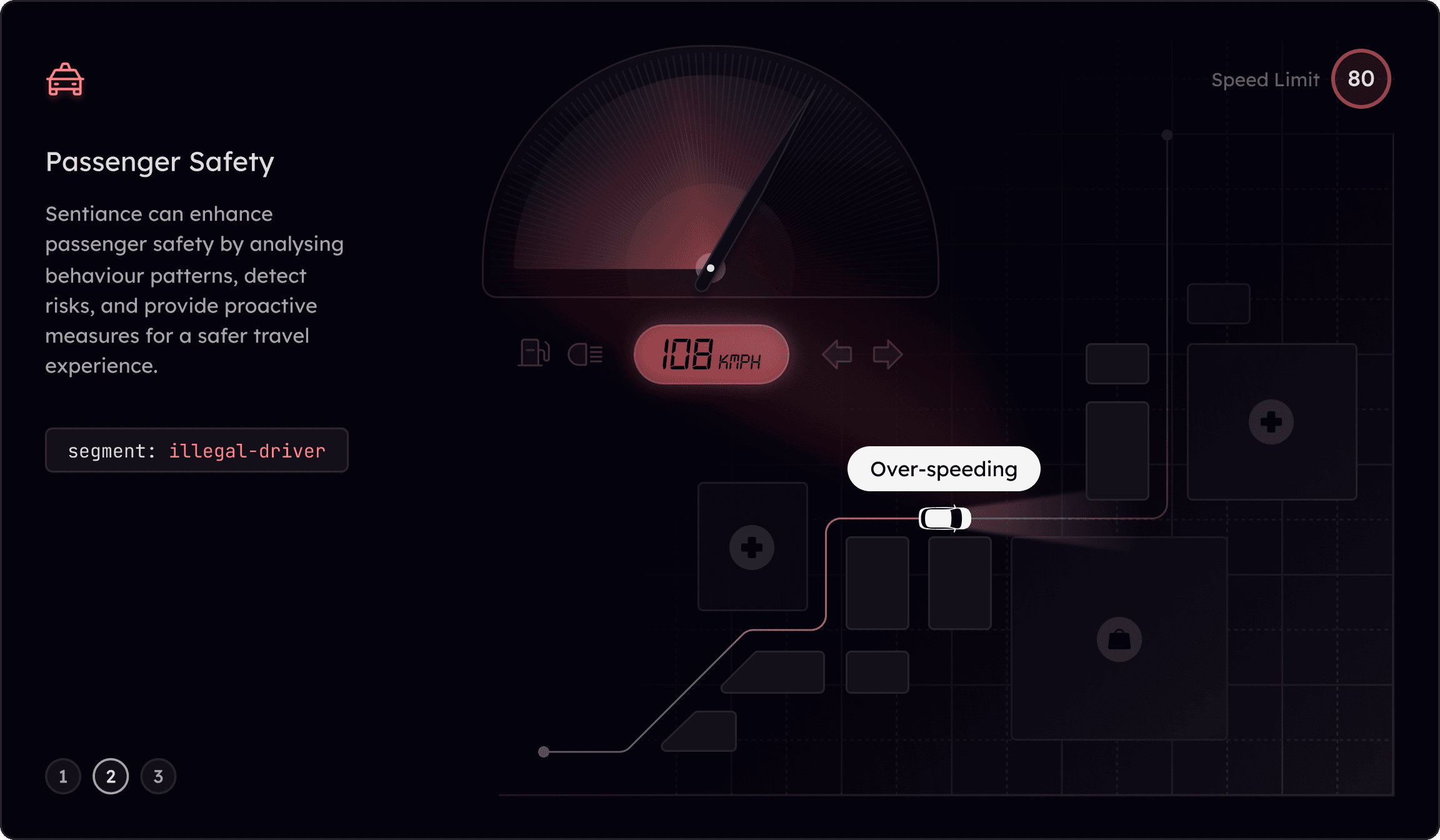
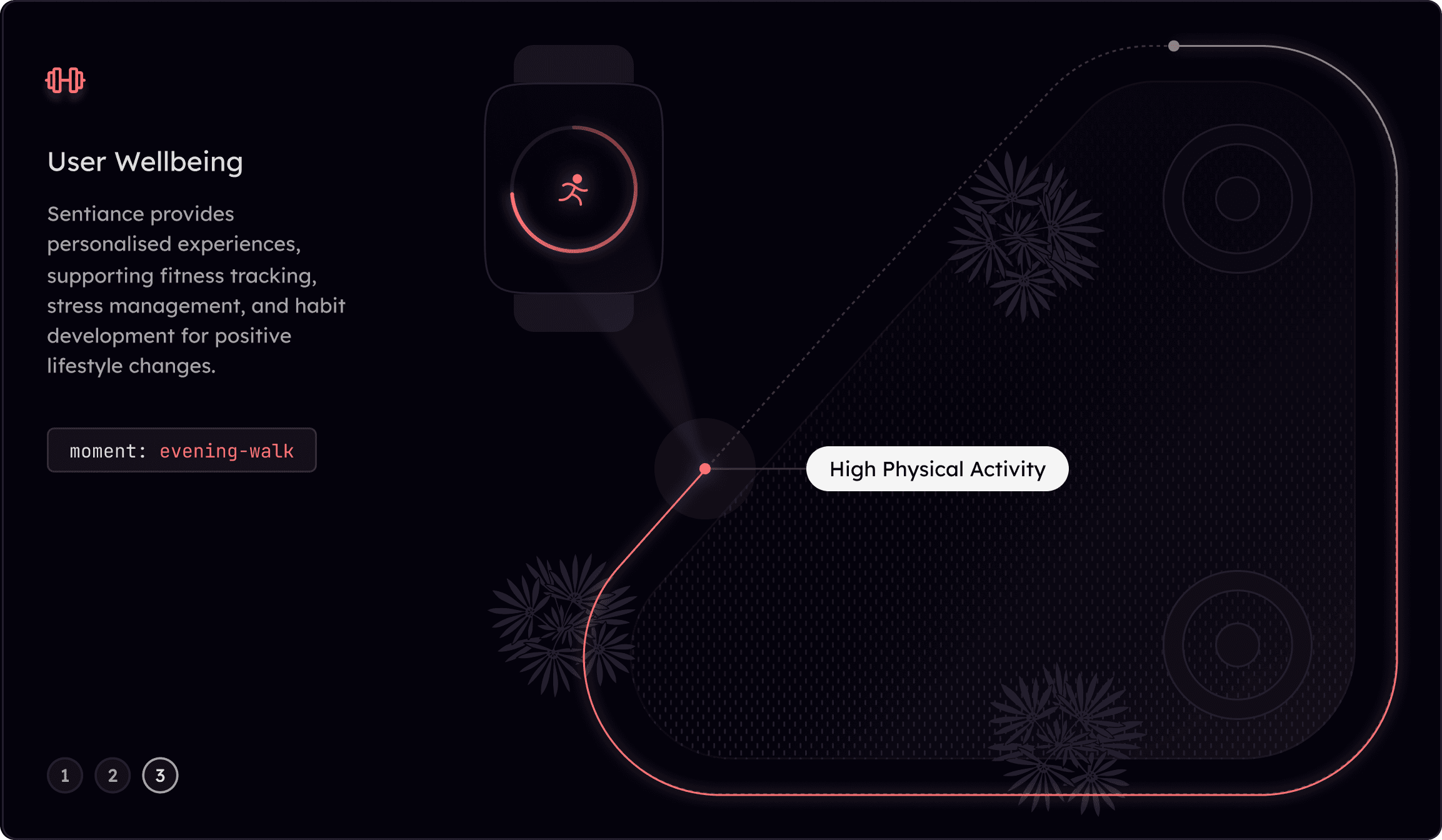
The SDK showcases its versatility by offering a broad spectrum of applications across a multitude of industries. These industries encompass mobility and transportation, insurance and risk management, health and wellness, customer engagement and marketing, smart cities and urban planning, as well as finance and banking.
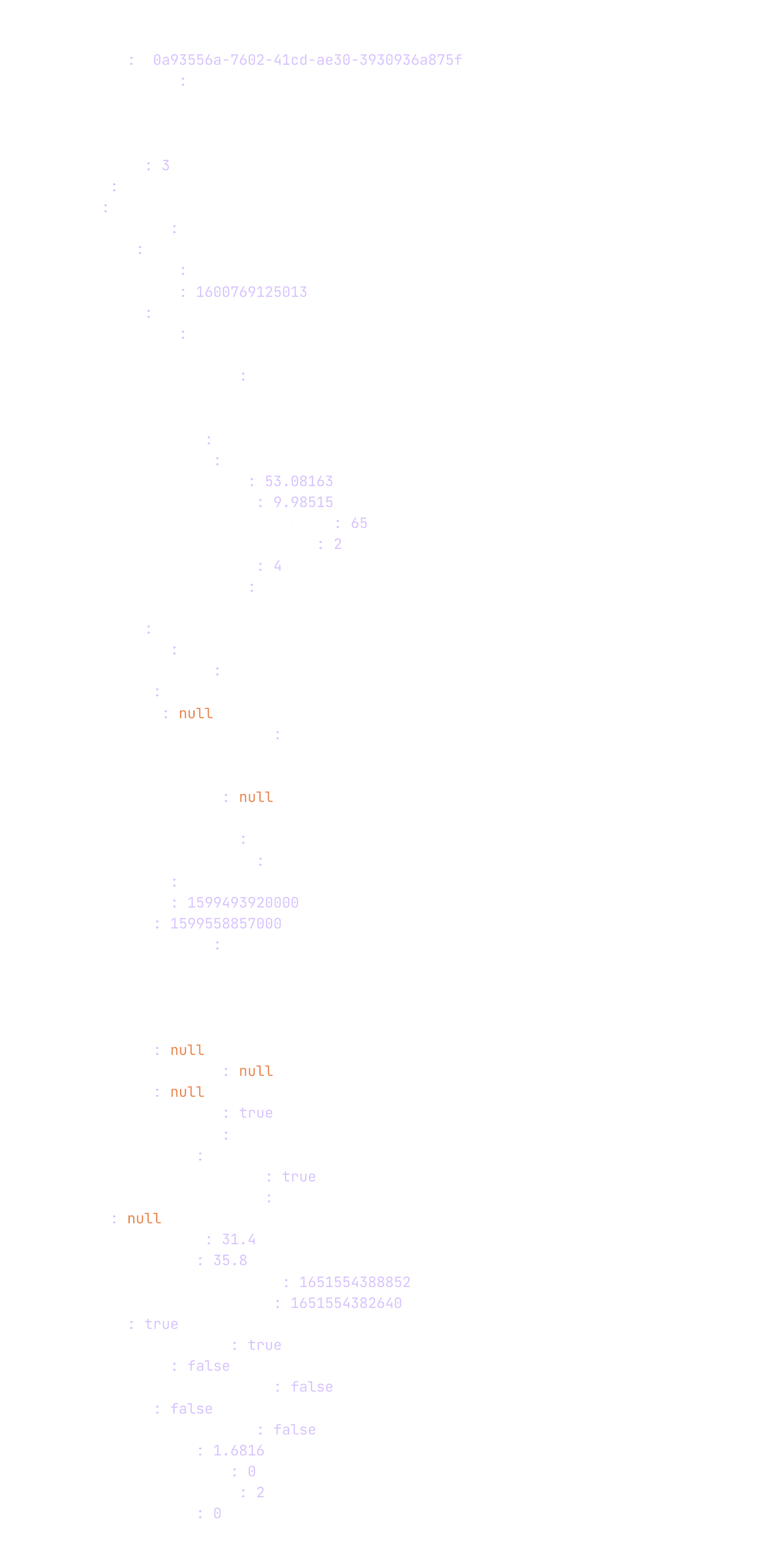
Vehicle Crash — Sample Data
Integration of the SDK allows for seamless data retrieval through API/GraphQL and real-time pushing via firehose integration. Additionally, it supports batch retrieval by offloading user data files to an S3 bucket, enabling efficient analytics. For non-developers, the Insights dashboard provides a user-friendly interface to access valuable information. Meanwhile, developers can leverage the data explorer tool to delve into more advanced data exploration and analysis capabilities.
Challenge
Journeys
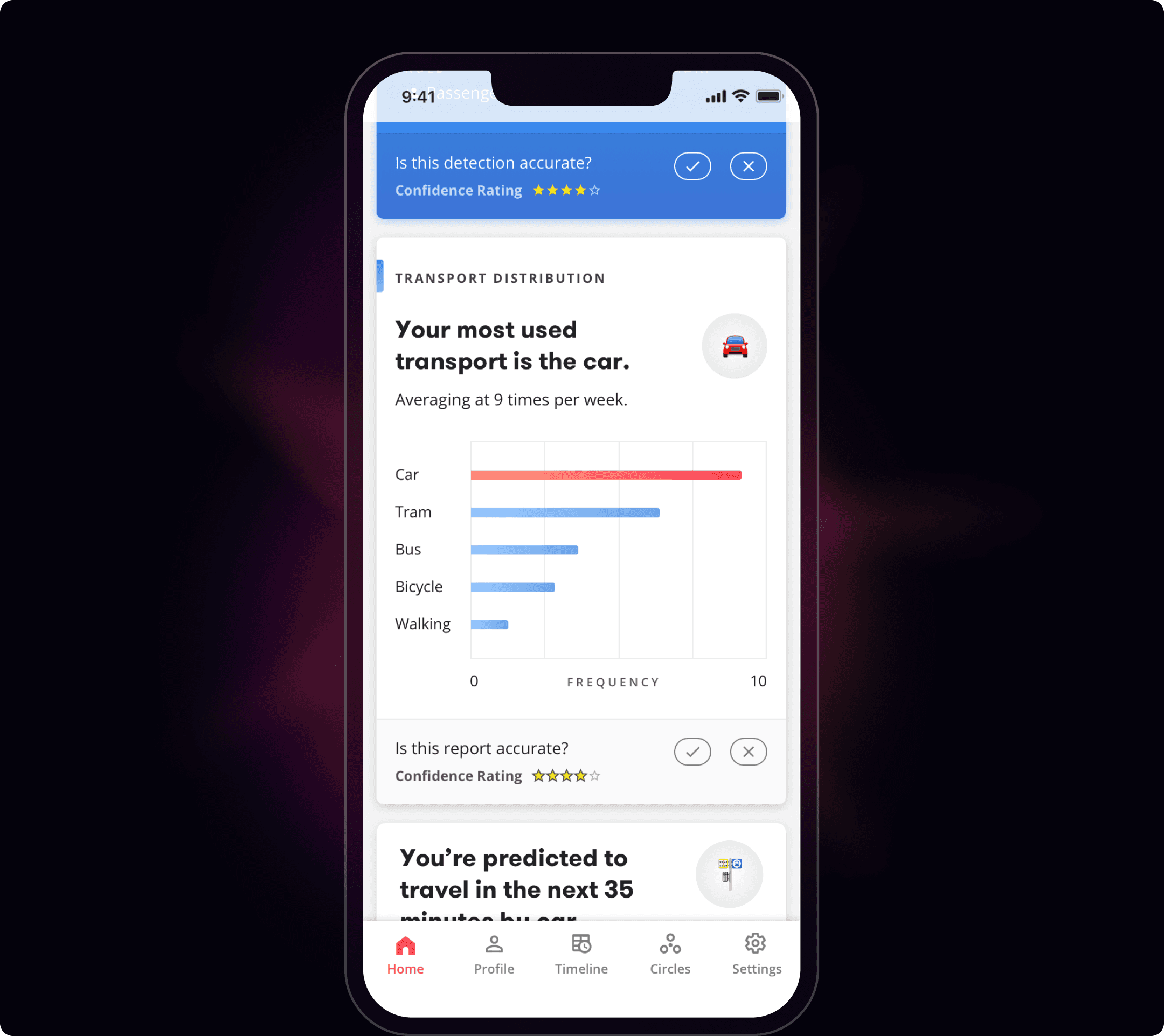
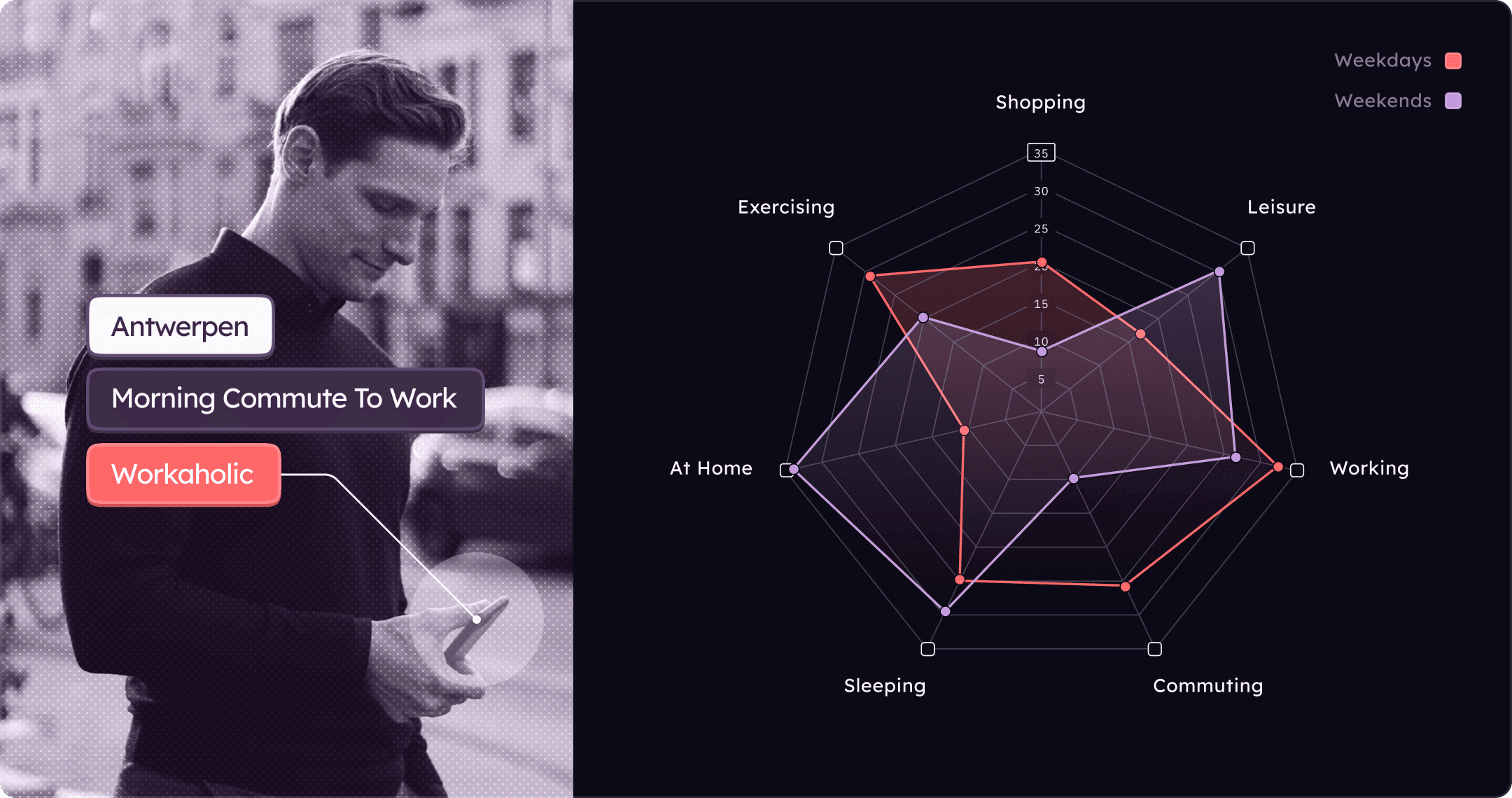
Designed as a Sales Demo application, the Journeys app offers personalized insights into a user's daily mobility behavior, including transportation modes, duration, and distance. Detailed reports on commuting patterns and activities are generated by analyzing sensor data from the user's smartphone. Additionally, the app provides suggestions to enhance the user's daily commute, offering alternative routes and transportation options.
Problem
Journeys proved to be too technical for non-developers to understand, which posed challenges in showcasing the full potential of the SDK. Consequently, presenting insights to a wider audience, including company leadership, marketing, and sales teams, became difficult. To address this issue and effectively demonstrate the capabilities of the product, a more user-friendly solution was necessary.
Approach
Process
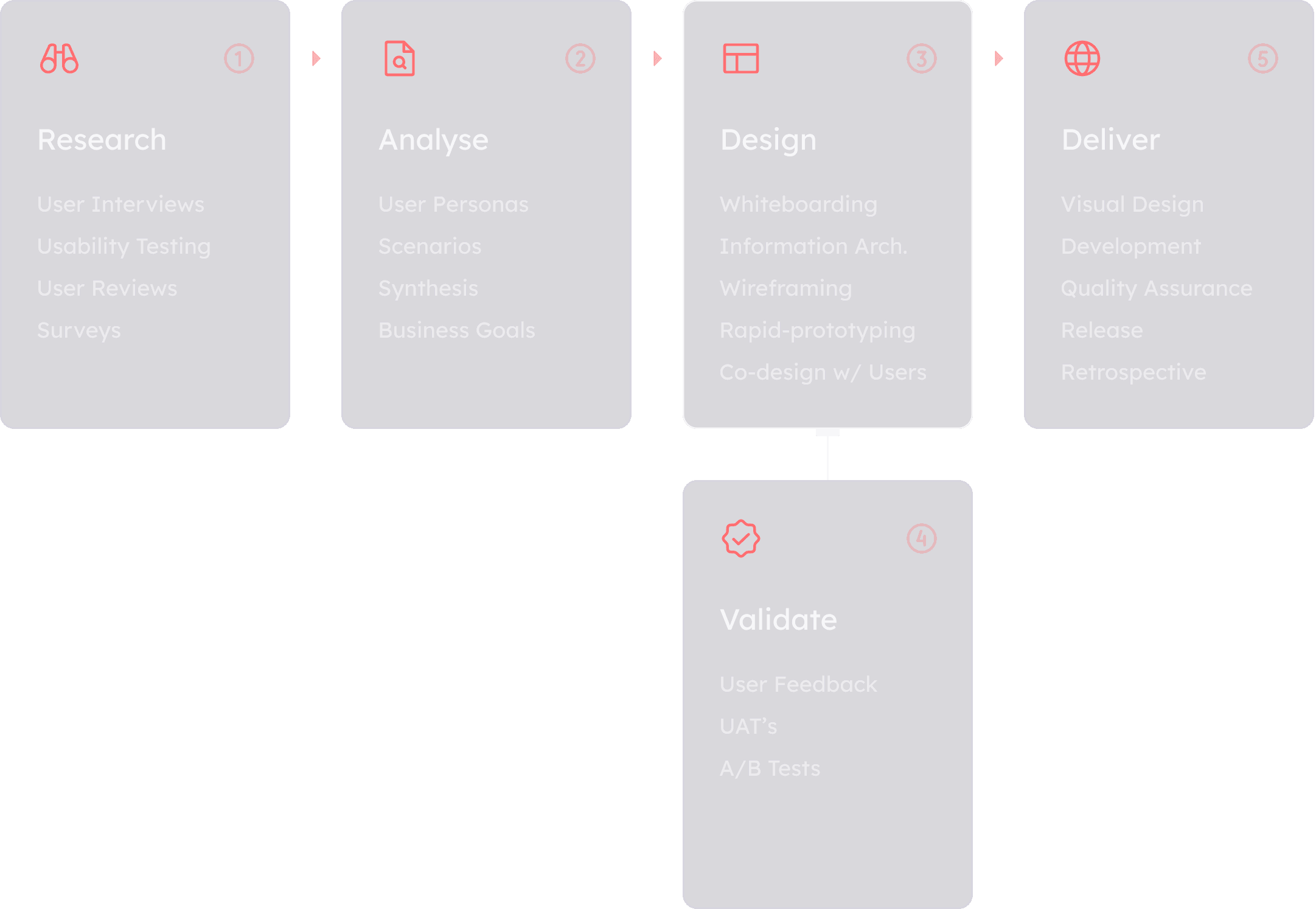
We facilitated a company-wide design sprint with key stakeholders, including the leadership team. Real-life scenarios were created to develop prototypes, which were then tested with our existing clients to validate the solution. Through this effort, we ensured a comprehensive approach to solving the problem and delivering a user-friendly solution.
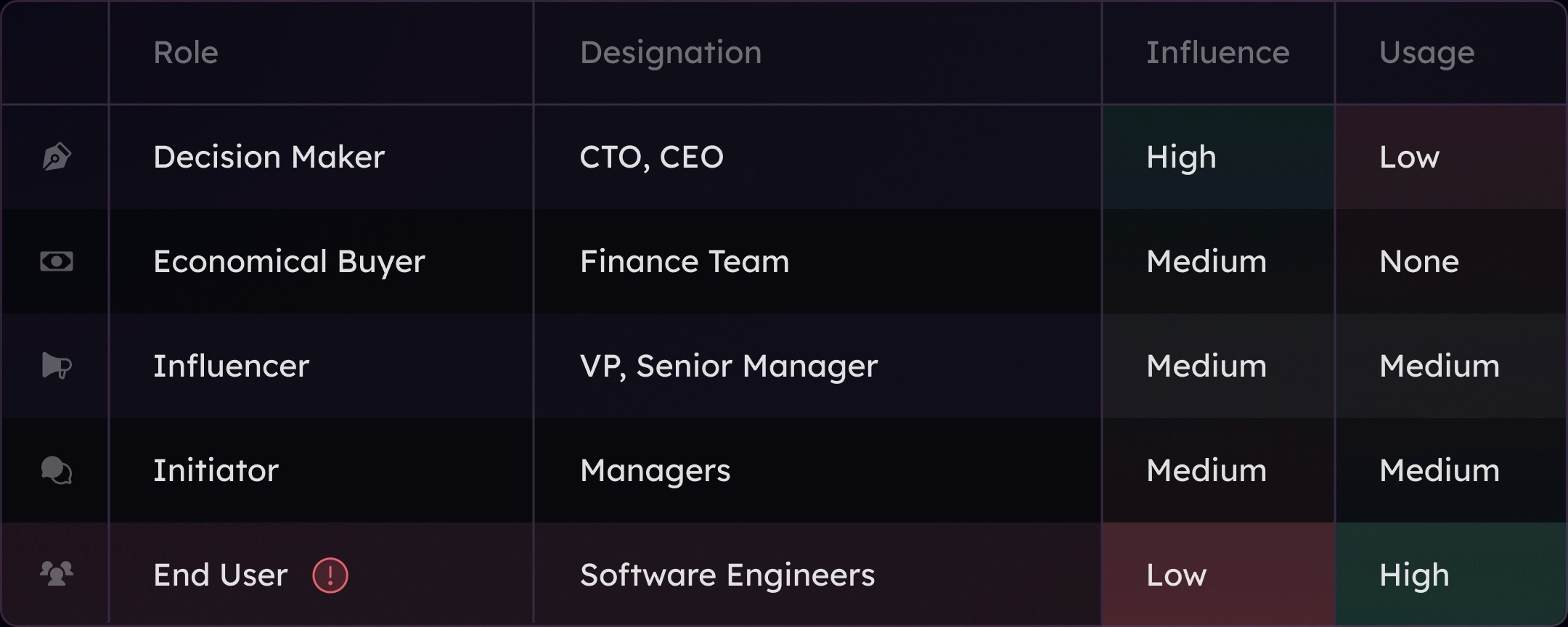
Decision Making Unit
The DMU exposes a problem: high buying influence is held by low-usage individuals, while end-users (developers) have limited sway in purchasing decisions. Thus, it was imperative to create an intuitive showcase of the SDK's capabilities. This would aid key decision-makers in comprehending the product's intricacies.
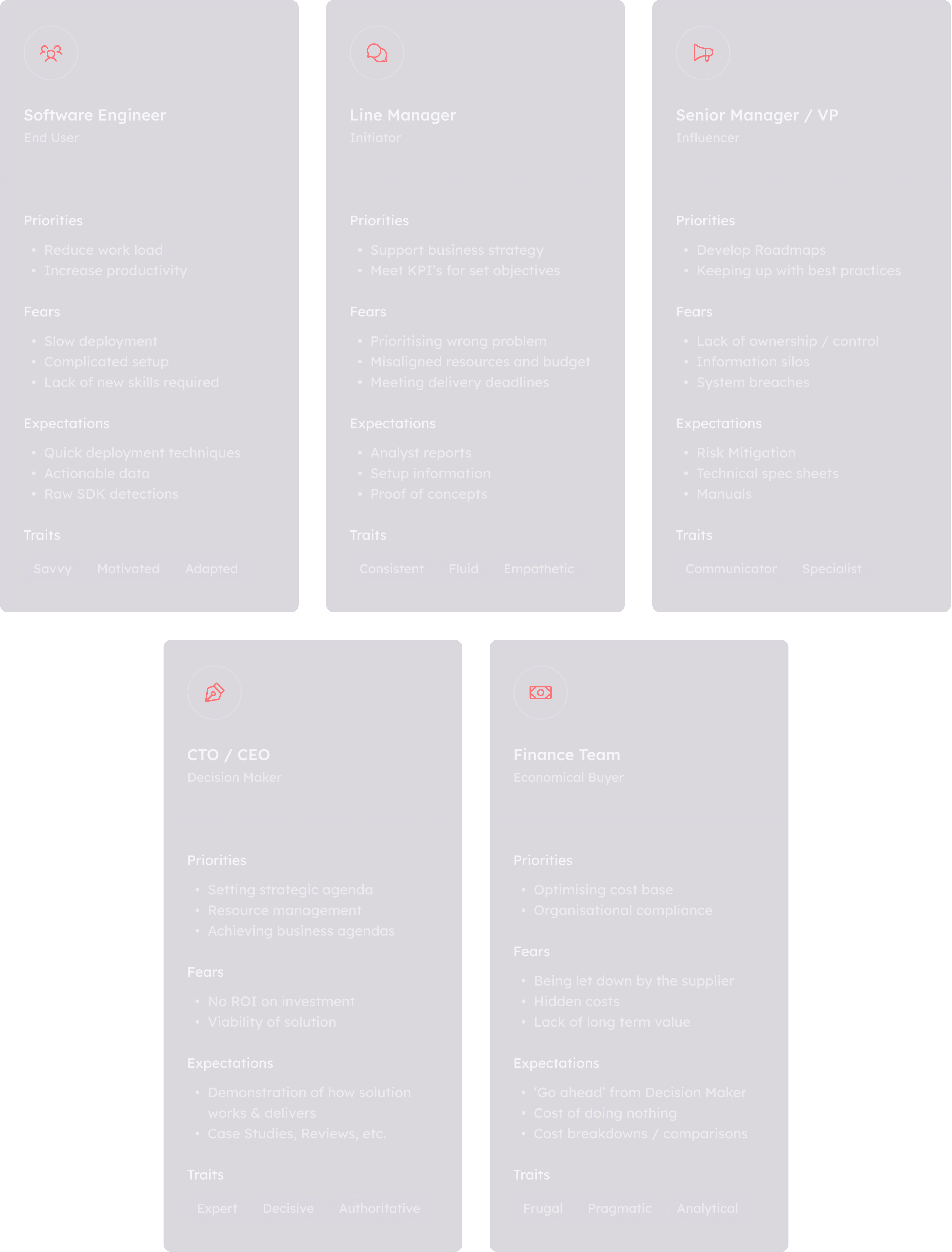
Personas
To grasp the priorities, fears, and expectations of every DMU stakeholder, we created the personas listed below. This would enable us to discern which insights would interest specific stakeholders or teams, and how these insights would benefit their product or simplify their workload.
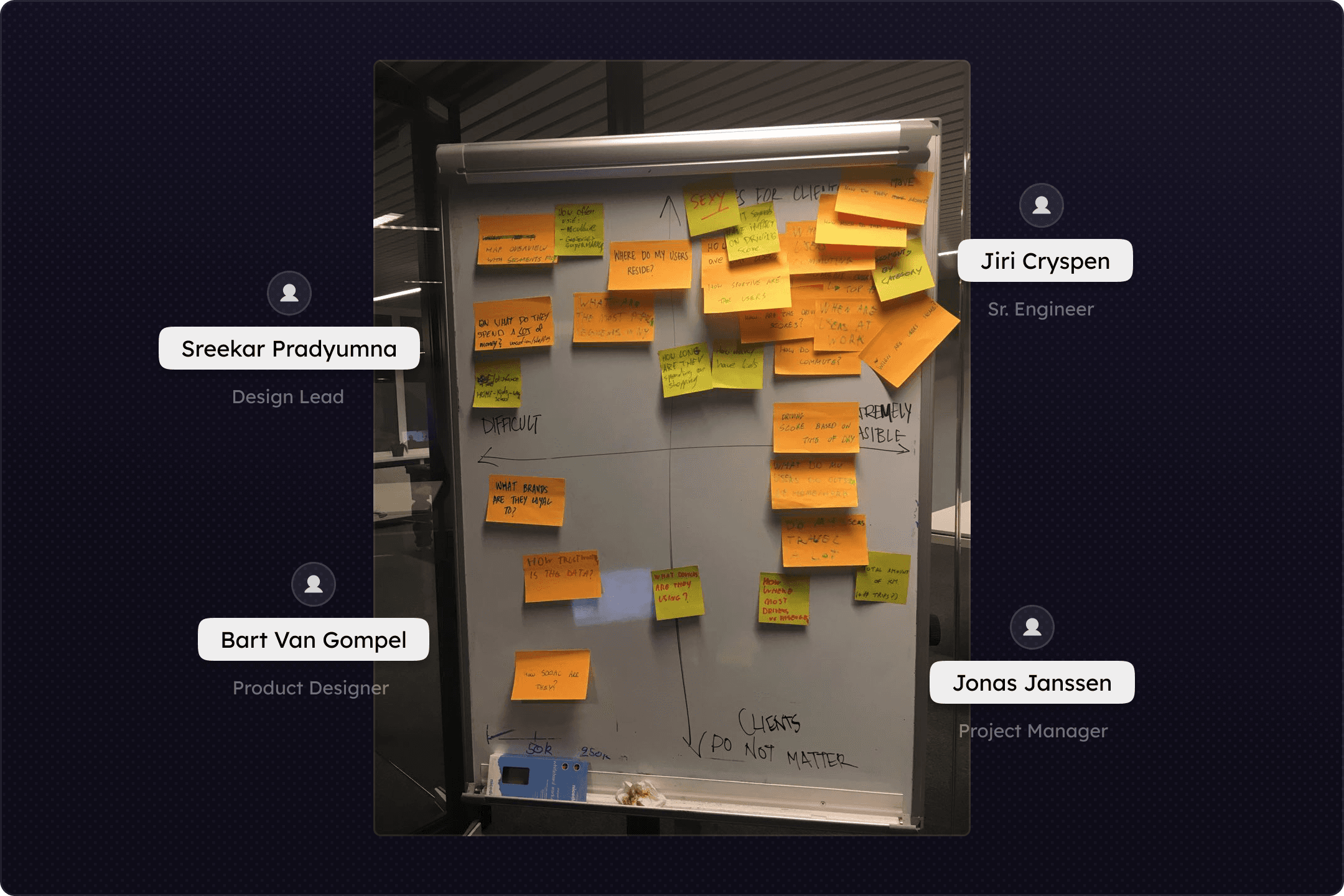
Effort vs. Impact
The use of a 2x2 matrix, utilizing impact and effort dimensions, allowed us to prioritize MVP features while deferring others for later releases. This approach facilitated efficient development of the MVP while keeping future features in perspective.
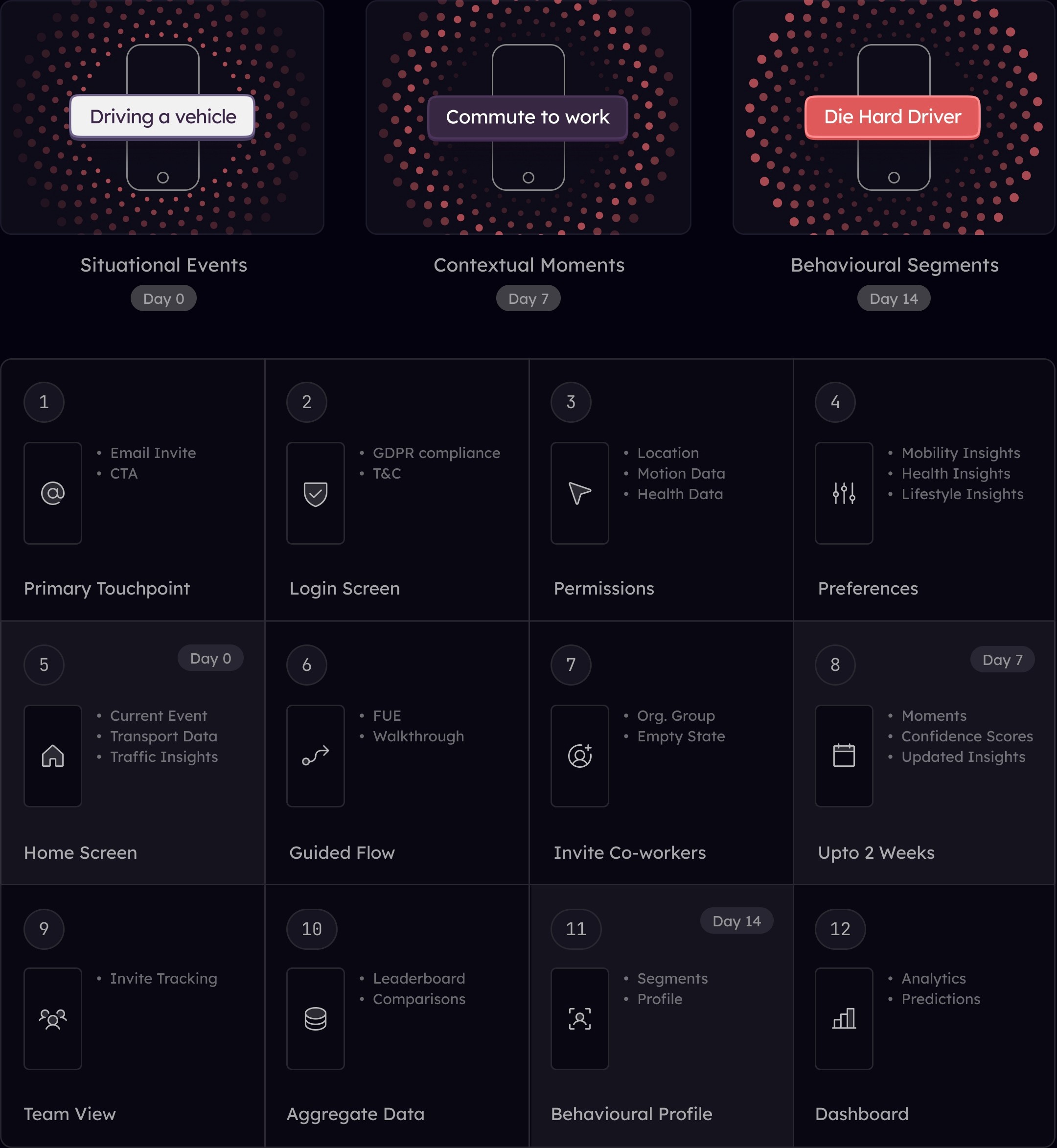
Storyboarding
Journey's goal was to showcase contextual information based on real data from the user's daily routine. The challenge we faced was that, we would only have situation events on day 0, when the user instals the app. Journeys would take about 2-3 weeks to build a comprehensive model of the user's behavior. Our storyboarding illustrated the different stages of the app during this period.
Sketching Solutions
Using the storyboards, we sketched low-fidelity versions of the app, validated them before proceeding to rapid prototyping. During this exercise, multiple teams sketched various solution options, and we used a voting system to choose the best ideas.
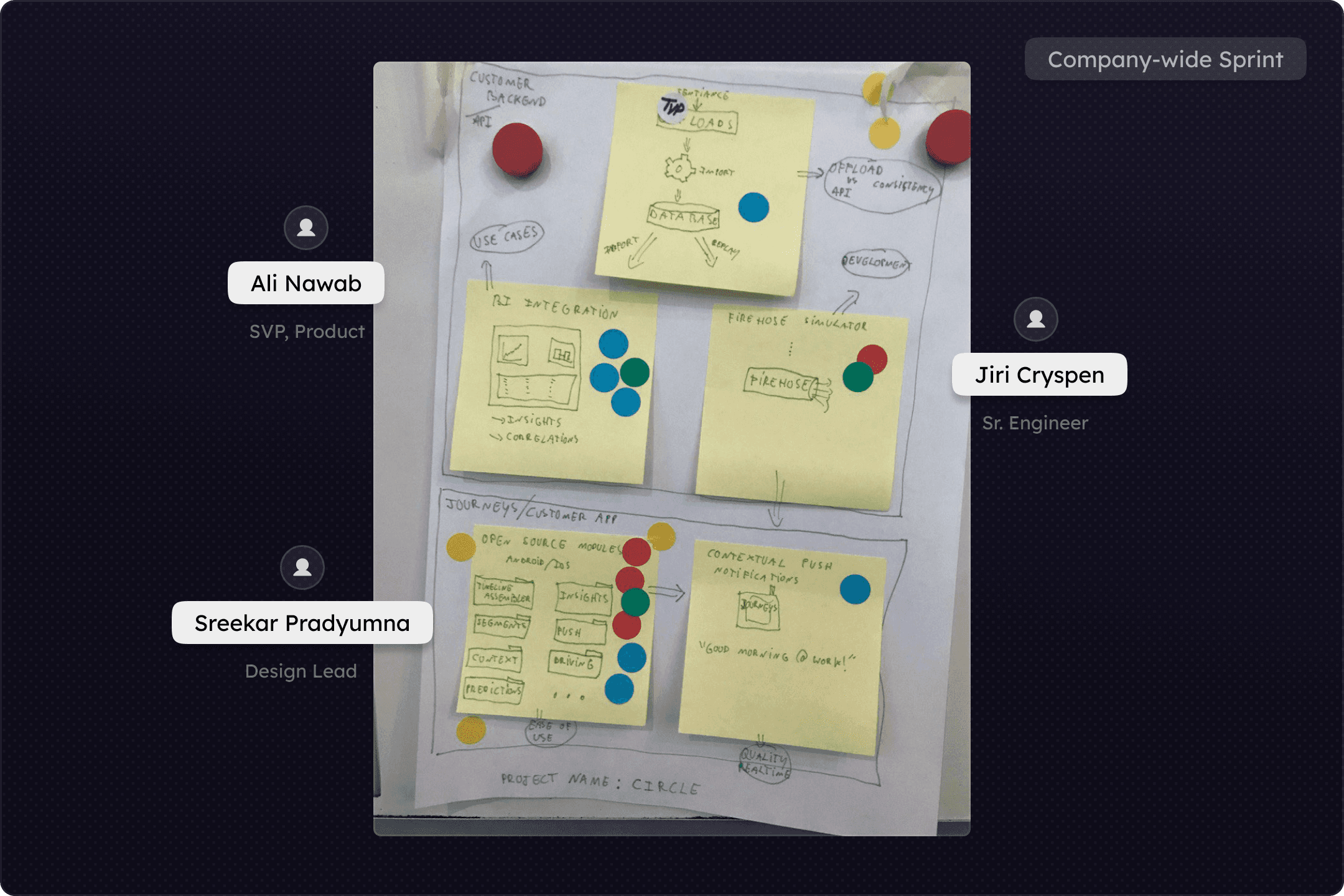
Design Sprint
Rapid Prototyping
We built prototypes that mapped the entire customer journey, starting from their primary touchpoint. We created multiple flows based on how behavioural insights presented themselves, which evolved over the span of three weeks as the ML model matured by learning the user's daily routine and activities. These flows were based on the storyboarding exercise that we had performed earlier.
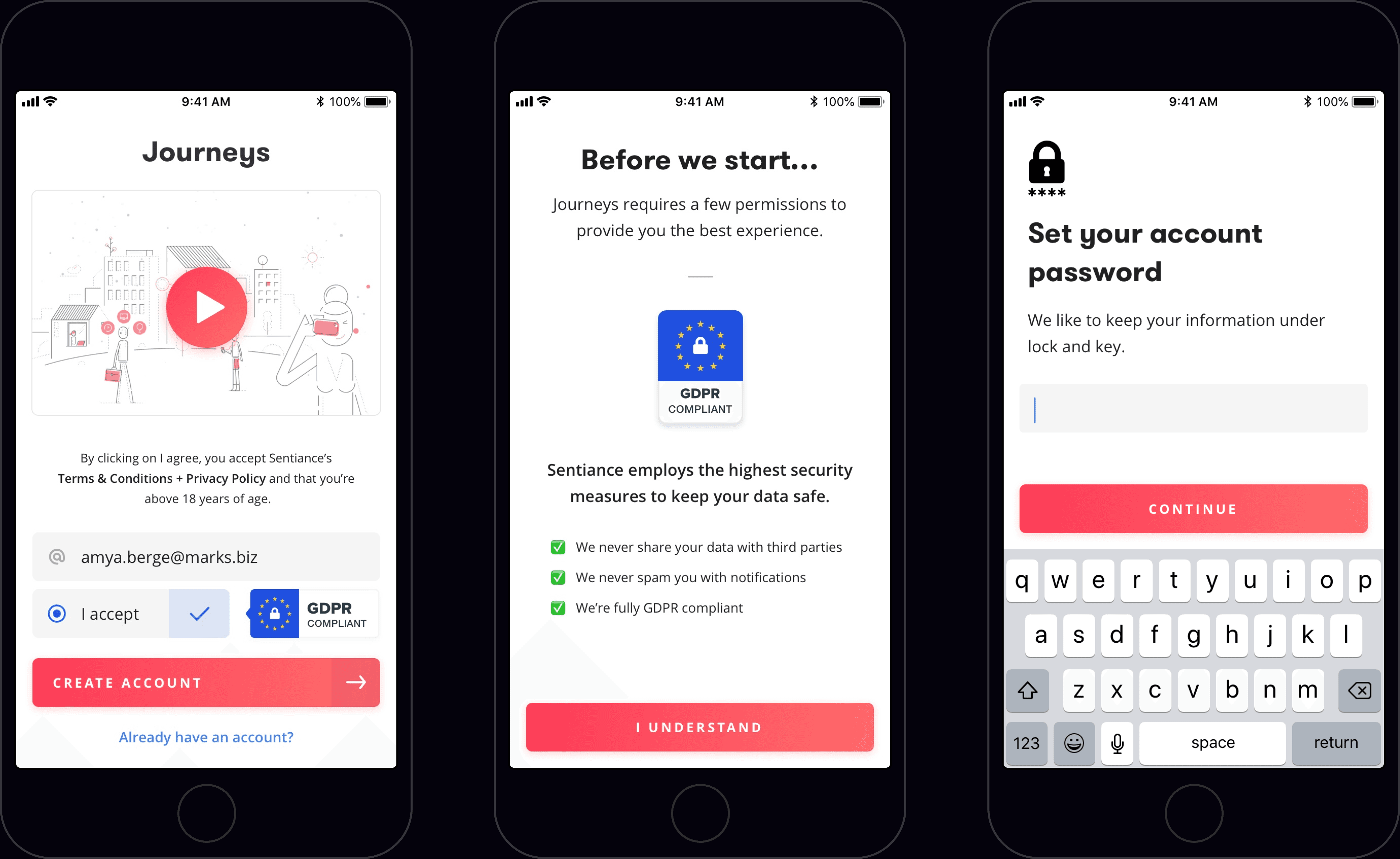
User Testing
We presented our prototypes to a group of users and observed their behaviour using Lookback. We asked the users to complete specific tasks, while taking notes on their interactions and identifying pain points. We then used this feedback to iterate and improve upon our designs in the next phase.
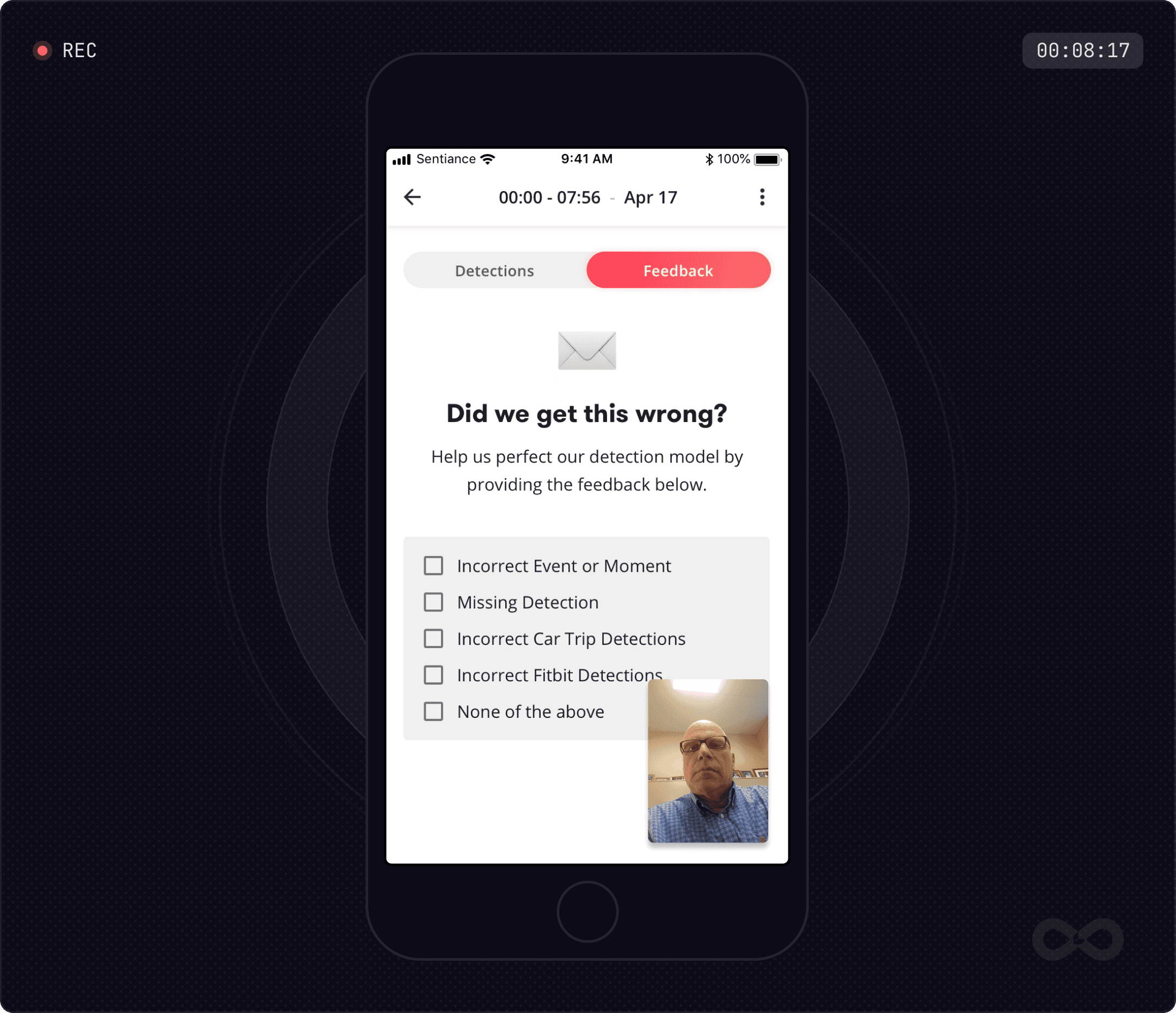
User Feedback
Users were hesitant to grant permission requests for location, health & fitness, and motion tracking due to privacy concerns. We communicated the inability to gather data in such cases. The 'Circles' feature that was prototyped was not received as expected by users and was postponed for later release. However, users were satisfied with the behavioural insights displayed in the app and appreciated the informative timeline screen and user-friendly interface.
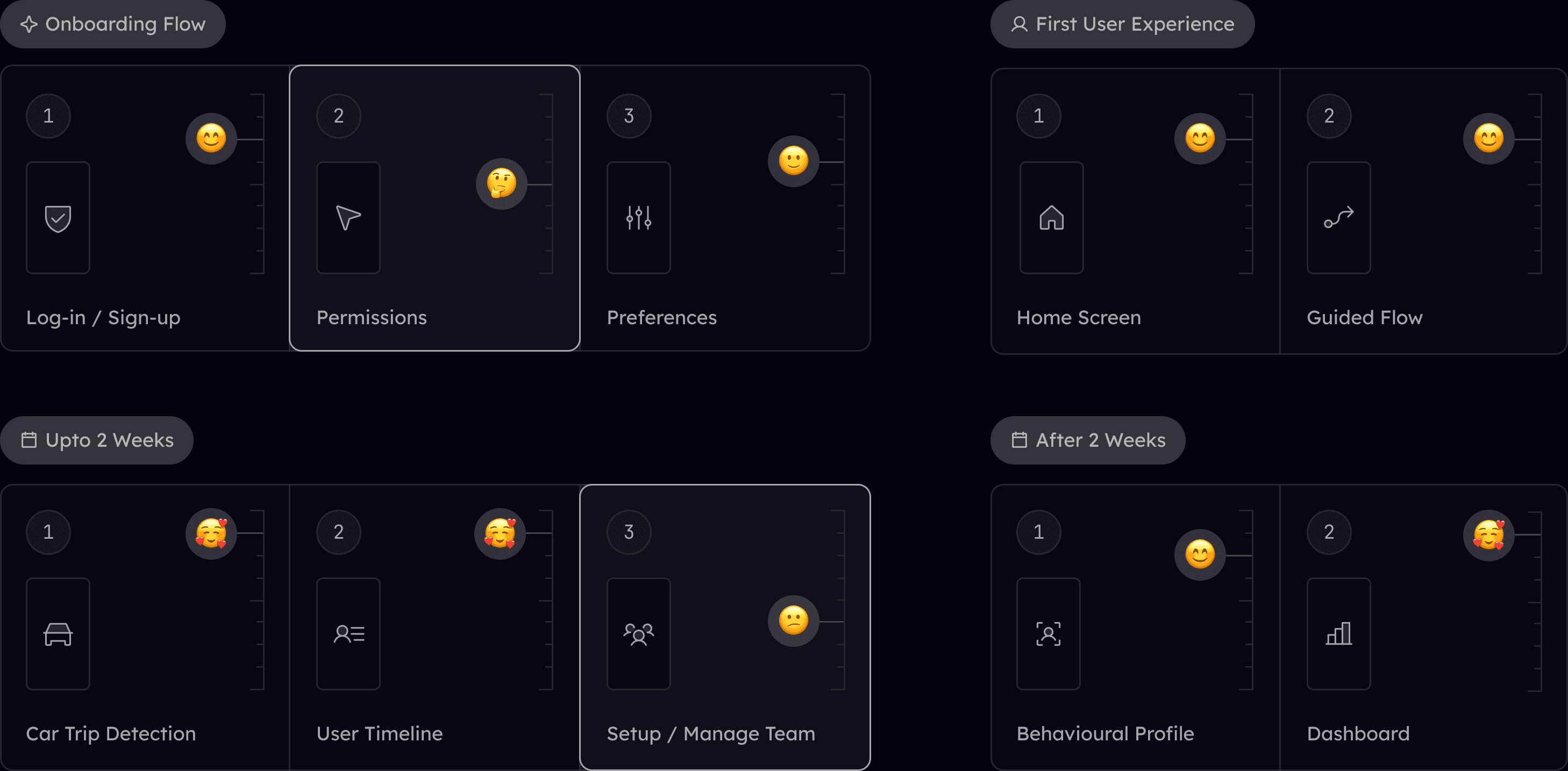
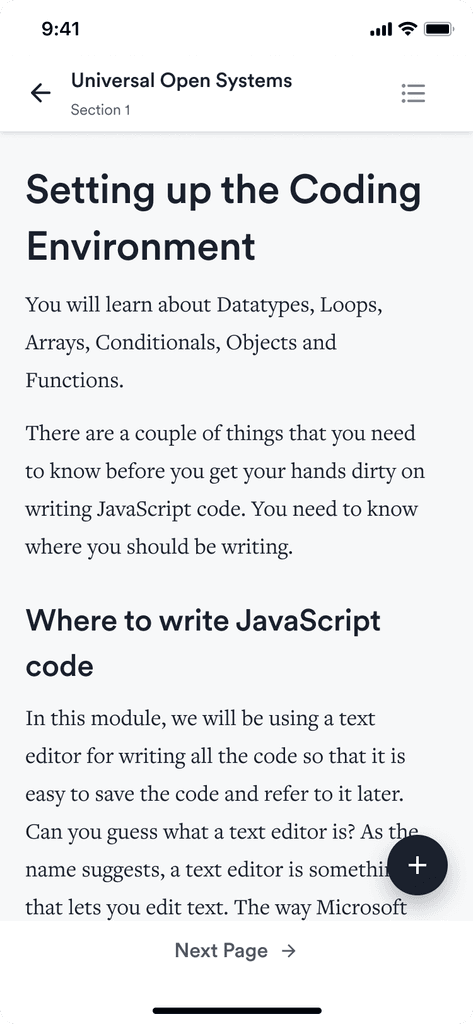
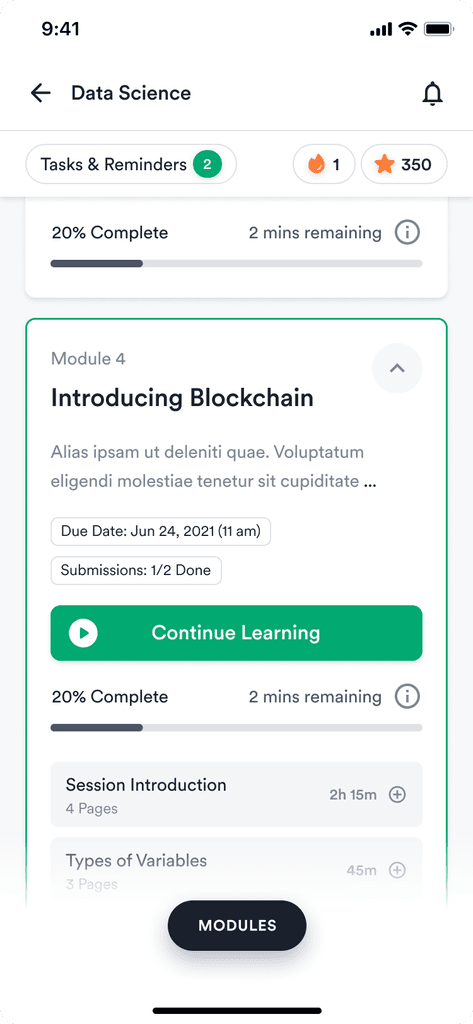
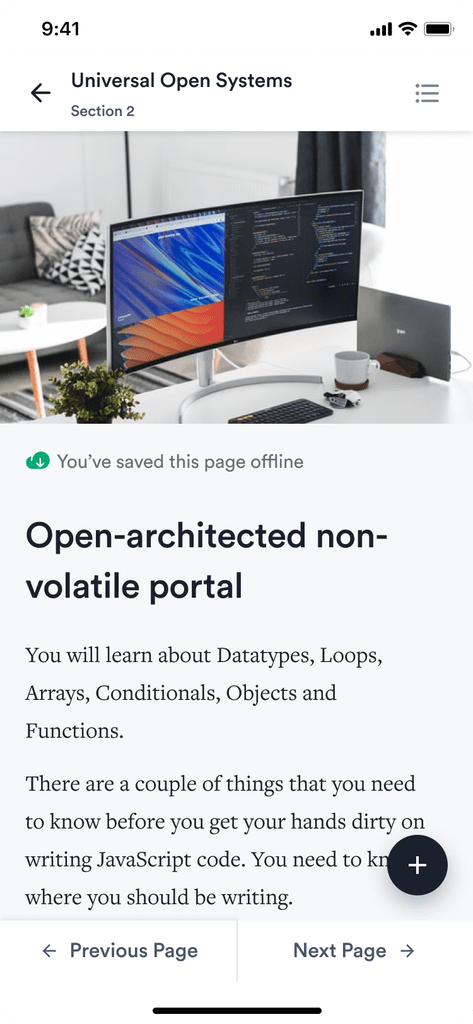
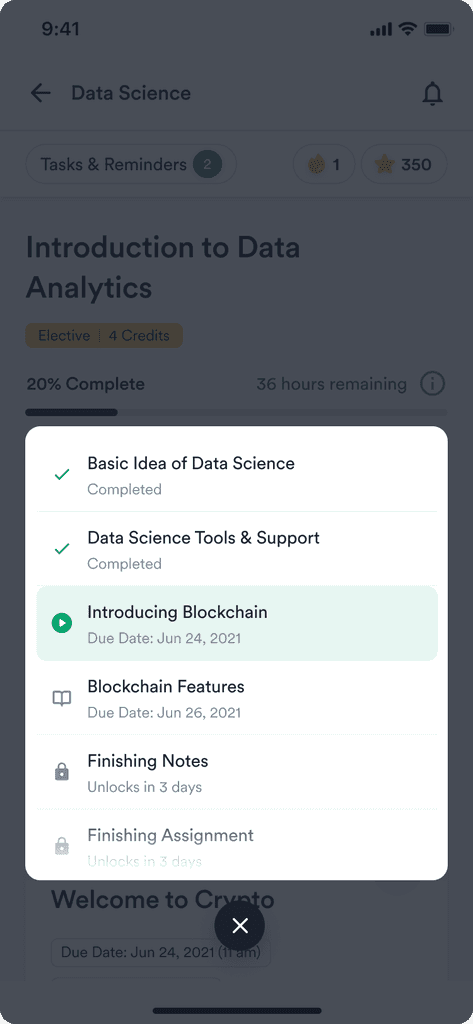
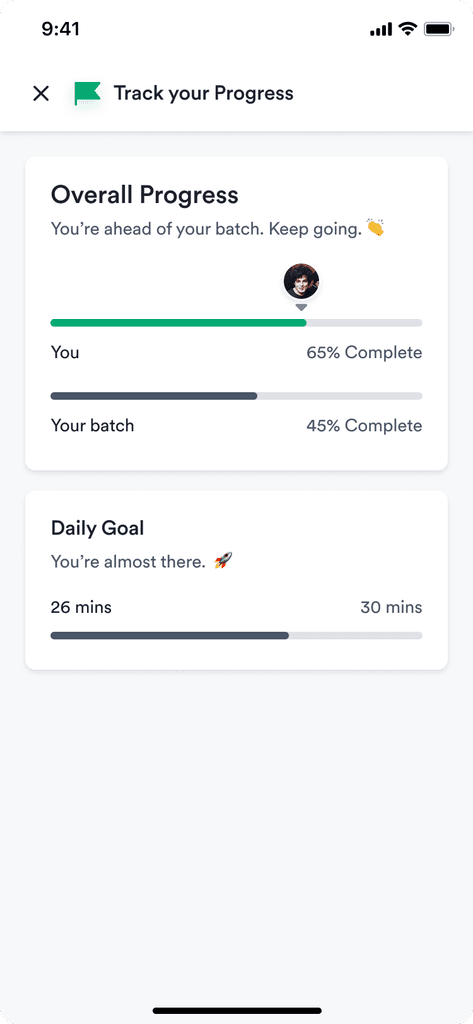
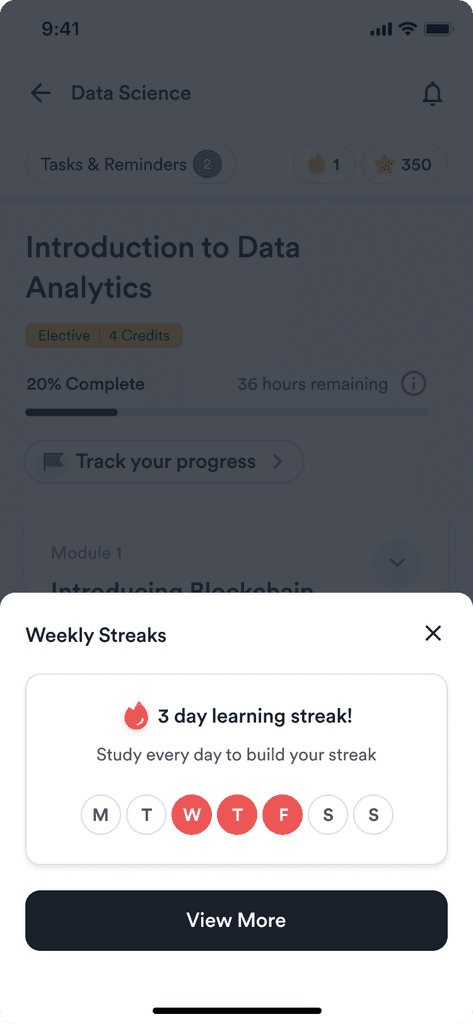
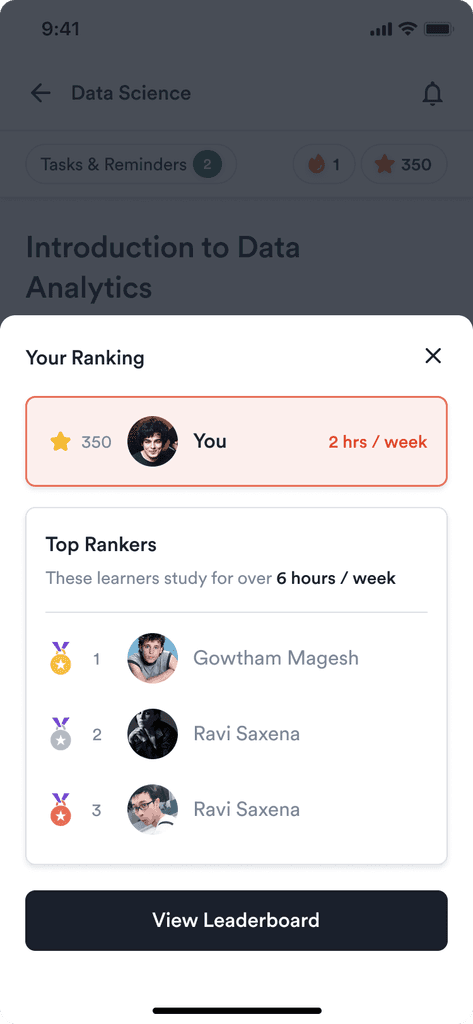
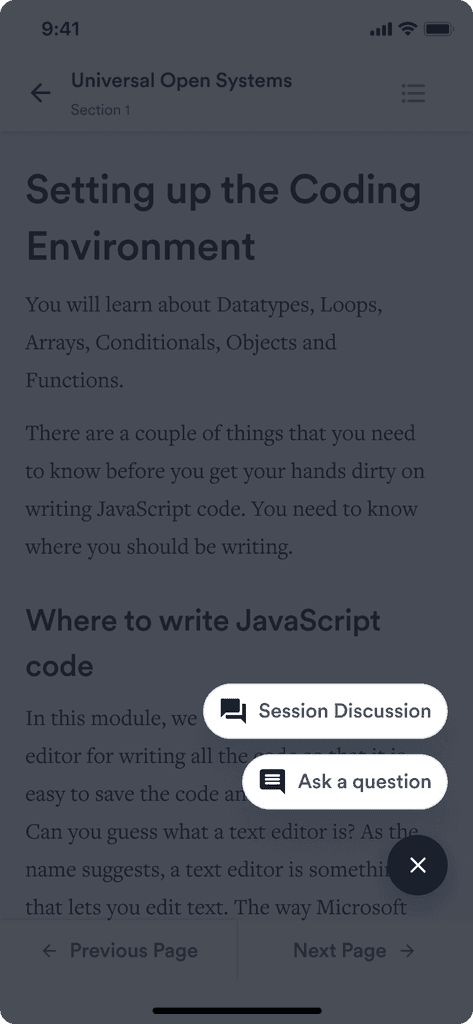

Explore the full list of detections collected via the SDK
Web Application
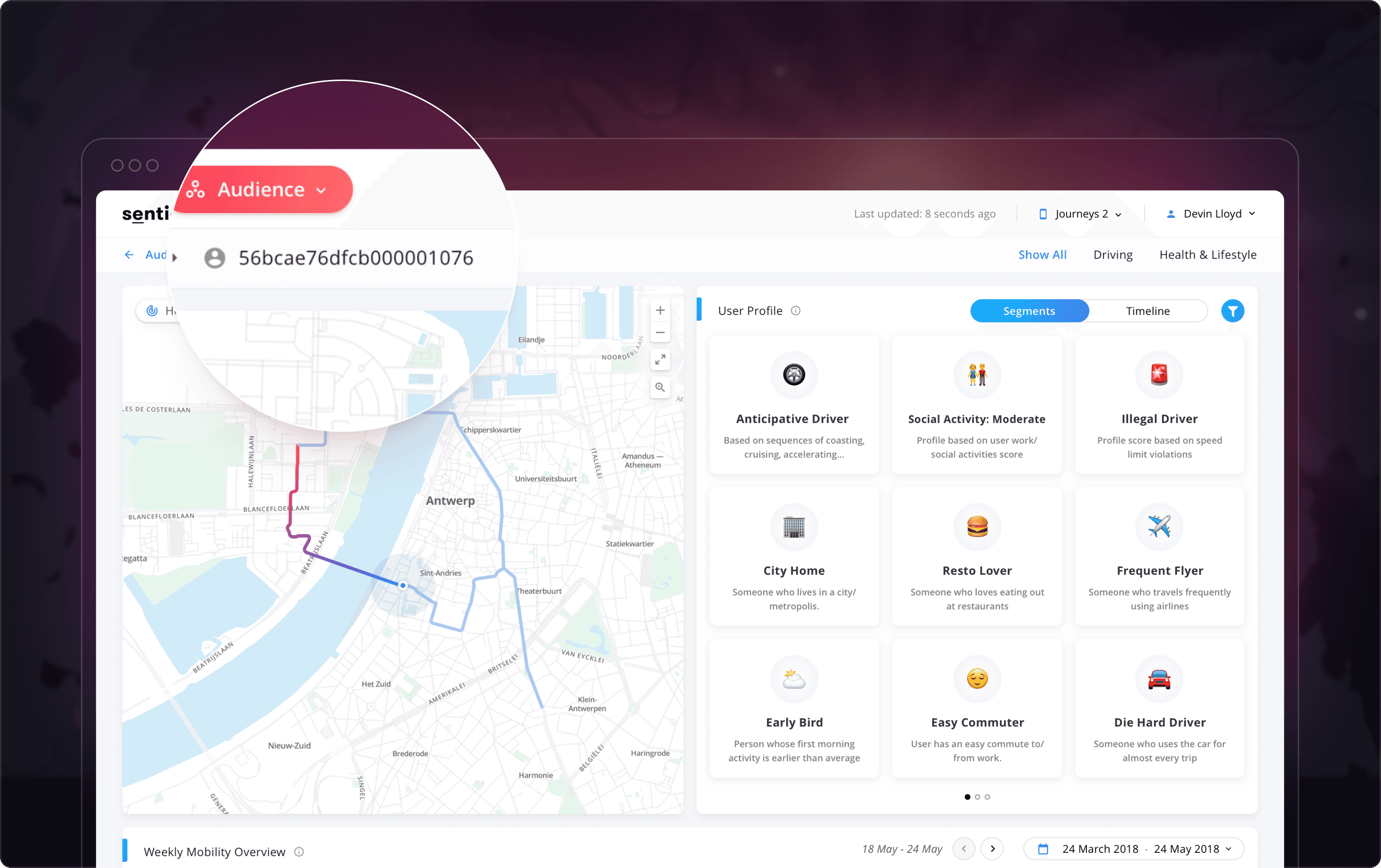
We developed a desktop version of the mobile app that offered more extensive features and utilized the larger screen real estate to showcase more data. To ensure user privacy, we replaced their names with # IDs. This was a crucial step in protecting the user's anonymity.
Guided Flows
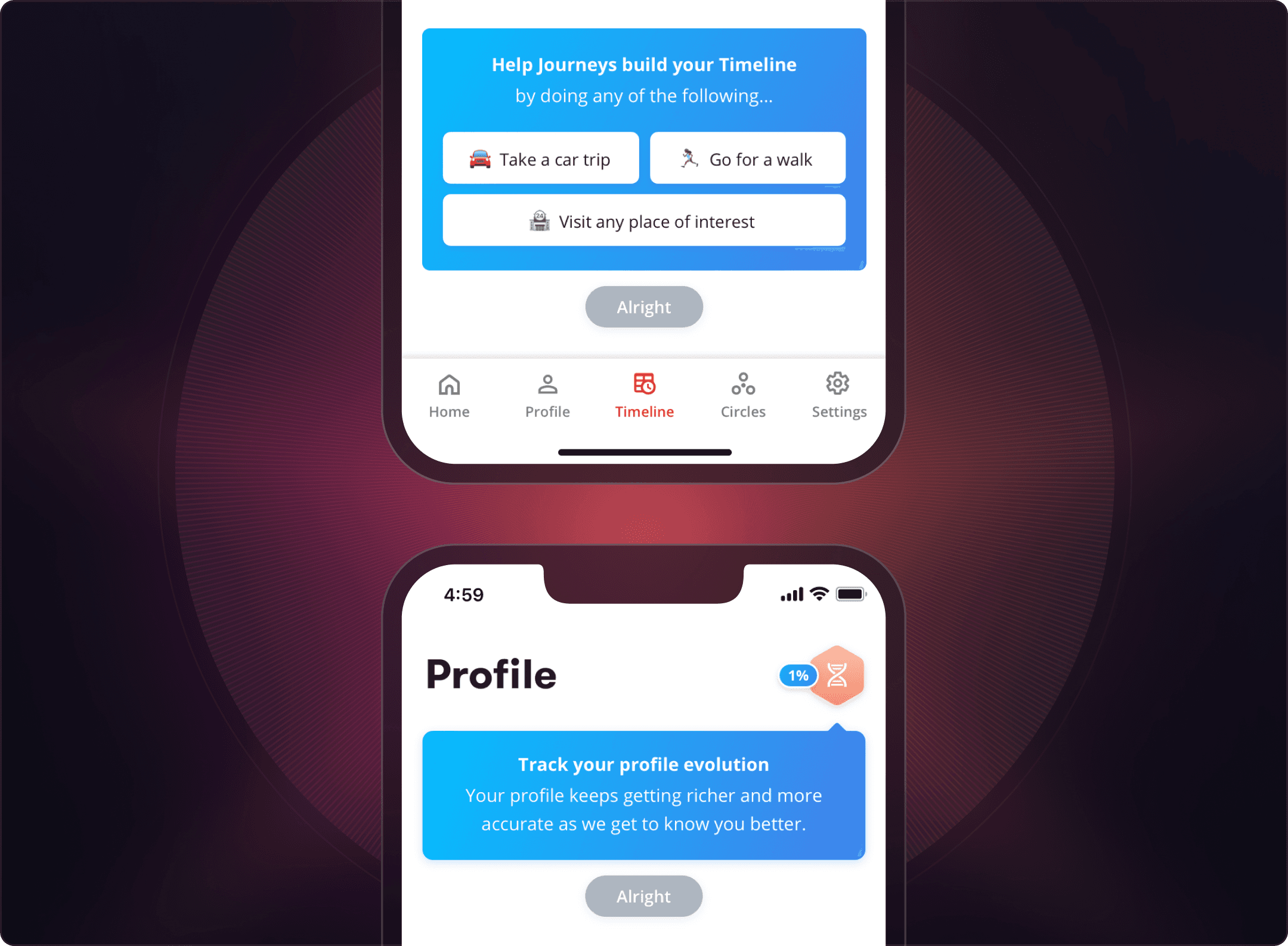
As leadership, sales, and marketing teams formed a significant portion of our user base, we incorporated guided flows into the app to enable effortless onboarding and enhance their comprehension of the product. We also simplified technical terms, such as explaining the significance of SDK detections to facilitate better comprehension for non-technical users.
Visual Design
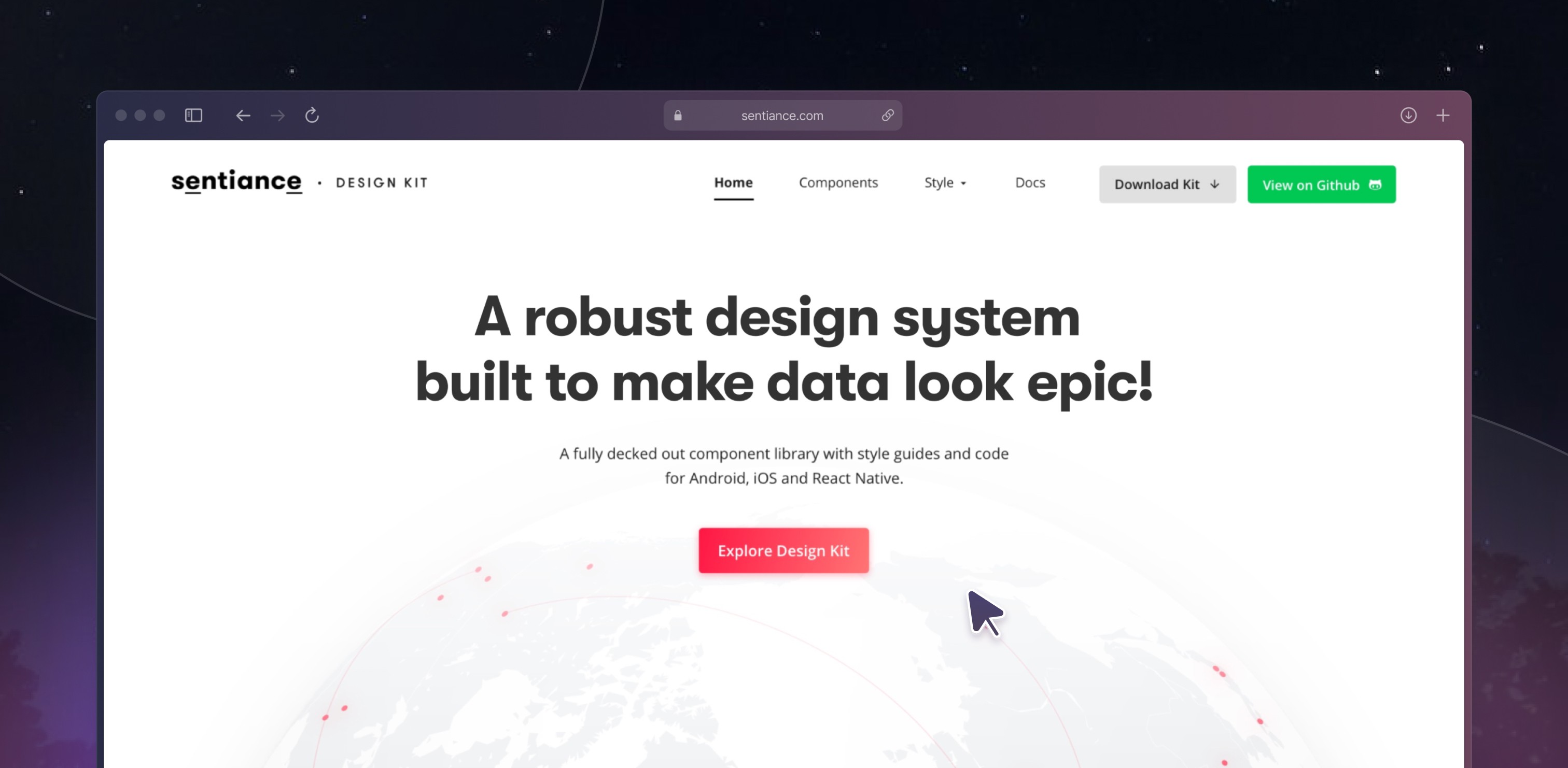
At Sentiance, we aimed to keep a conversational tone and approachable visual design for our data-driven product Journeys. We prioritized user engagement and comprehension by creating easy-to-understand data visualizations that provided clarity, scanability, and actionable insights to users.